FLORIDA AQUATIC PLANT IDENTIFICATION GUIDE
A RESOURCE FROM SOUTHEAST LAND & WATER MANAGEMENT
If you manage a community lake, stormwater pond, wetland pond, wetland edge, or preserve area in Florida, plant growth can go from minor to major quickly
What looks like a little surface coverage or shoreline overgrowth can turn into algae blooms, clogged flow, poor water quality, resident complaints, and costly corrective work. This guide is designed to help homeowners’ associations, property managers, board members, and commercial property owners identify some of the most common aquatic and shoreline plants found in and near Florida water bodies — and understand when action may be needed.
Not sure what you’re seeing? Southeast Land & Water Management can help identify the issue and recommend the right next step.
Call 954-240-7500 or contact us online to schedule a site review.
Why Aquatic Plant Identification Matters
Aquatic plants are not always a problem. Some species are beneficial and play an important role in supporting healthy ecosystems, stabilizing shorelines, and improving habitat. Others, however, spread aggressively, reduce water flow, block sunlight, deplete oxygen, and interfere with the long-term function of lakes, ponds, wetlands, and stormwater systems.
Early identification helps communities:
- Prevent invasive overgrowth
- Protect water quality
- Avoid expensive reactive treatments
- Support compliance and long-term environmental health
- Maintain attractive, functional water features
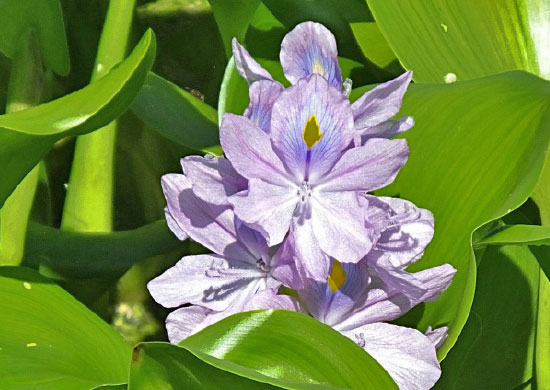
Water Hyacinth (Eichhornia crassipes)
How to identify it: Thick, glossy leaves with swollen stems and purple flowers.
Why it matters: Water hyacinth spreads rapidly, blocks sunlight, reduces oxygen, and can interfere with drainage, recreation, and overall water function.
Recommended action: Early removal and ongoing management are critical.
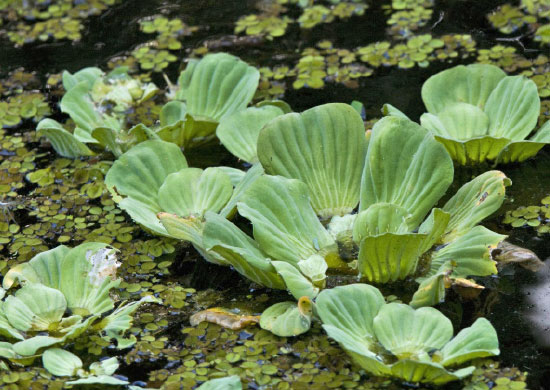
Water Lettuce (Pistia stratiotes)
How to identify it: Velvety, light green leaves that form floating rosettes.
Why it matters: Water lettuce can form dense mats that restrict water movement and create ideal conditions for further water quality issues.
Recommended action: Mechanical removal and routine monitoring are often needed.
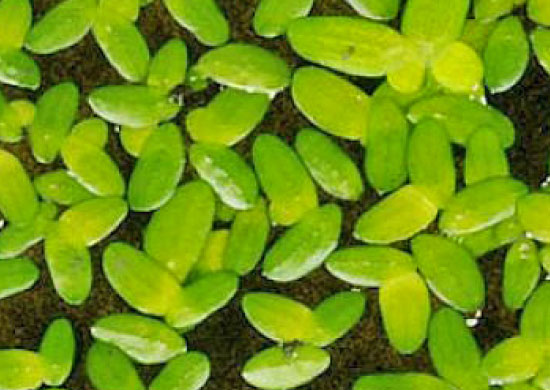
Duckweed (Lemna spp.)
How to identify it: Tiny floating green plants that appear like a blanket across the surface.
Why it matters: Duckweed often signals nutrient imbalance and can spread quickly in stagnant or nutrient-rich water.
Recommended action: Address both the plant growth and the underlying water quality issue.
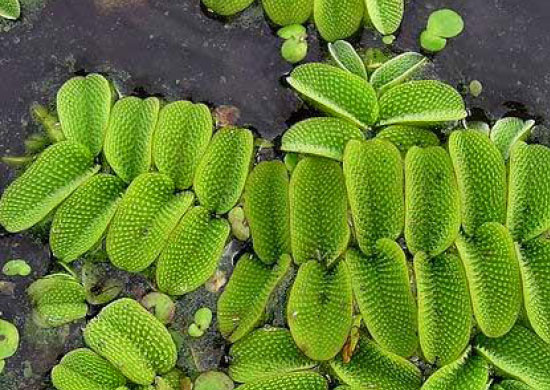
Salvinia (Salvinia minima)
How to identify it: Small paired leaves with a slightly fuzzy texture floating on the water’s surface.
Why it matters: Salvinia can spread aggressively and cover water bodies fast, reducing light penetration and disrupting balance.
Recommended action: Early intervention is essential.
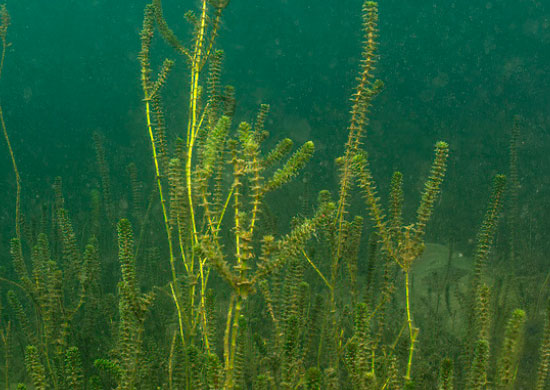
Hydrilla (Hydrilla verticillata)
How to identify it: Thin branching stems with leaves arranged in whorls underwater.
Why it matters: Hydrilla is a highly invasive species that can overtake lakes and ponds, impede use, and disrupt aquatic ecosystems.
Recommended action: Aggressive management is usually required.
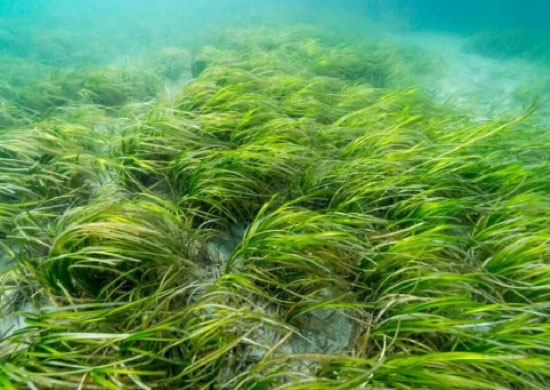
Eelgrass / Tape Grass
(Vallisneria americana)
How to identify it: Long, ribbon-like leaves growing from the lake bottom.
Why it matters: This is generally considered a beneficial native species that supports a healthy aquatic environment.
Recommended action: Preserve and monitor.
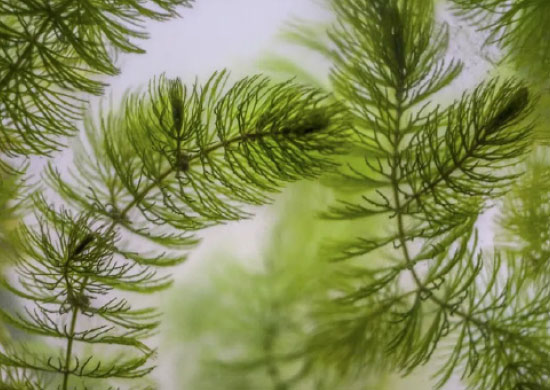
Coontail (Ceratophyllum demersum)
How to identify it: Bushy underwater growth with a feathery appearance.
Why it matters: Coontail can be beneficial in moderate amounts, but excessive growth may interfere with water movement and pond function.
Recommended action: Manage density as needed.
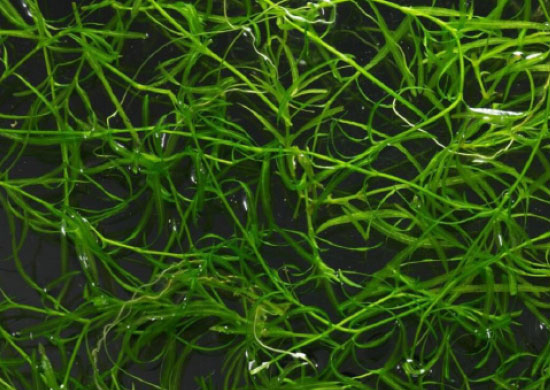
Southern Naiad (Najas guadalupensis)
How to identify it: Slender stems with narrow leaves and branching growth.
Why it matters: This plant may be acceptable in balanced conditions but can become problematic when growth becomes excessive.
Recommended action: Monitor and treat if overgrowth develops.
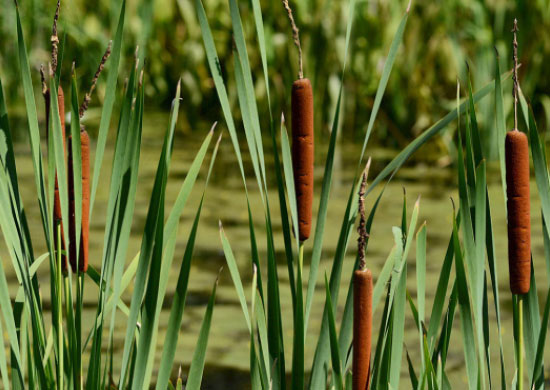
Cattails (Typha spp.)
How to identify it: Tall upright growth with brown cigar-shaped seed heads.
Why it matters: Cattails can stabilize an edge in some settings, but unchecked growth can overtake shorelines and interfere with lake appearance and function.
Recommended action: Controlled trimming and management may be needed.
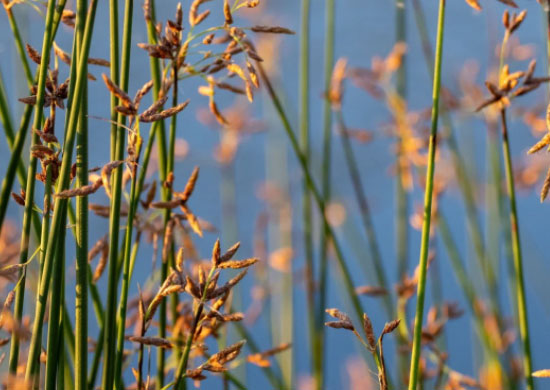
Bulrush (Schoenoplectus spp.)
How to identify it: Tall, grass-like stems commonly found near pond edges and wetlands.
Why it matters: Bulrush can be beneficial for shoreline stability, though it should be maintained as part of a balanced management plan.
Recommended action: Preserve where appropriate and manage spread.
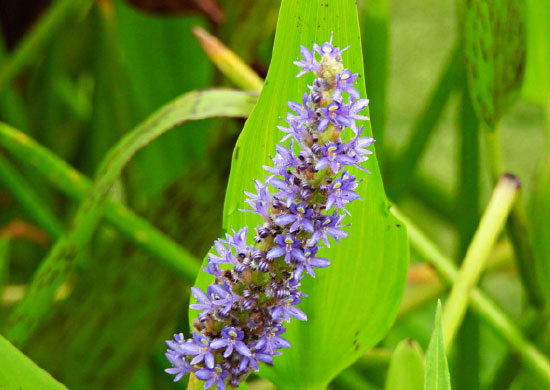
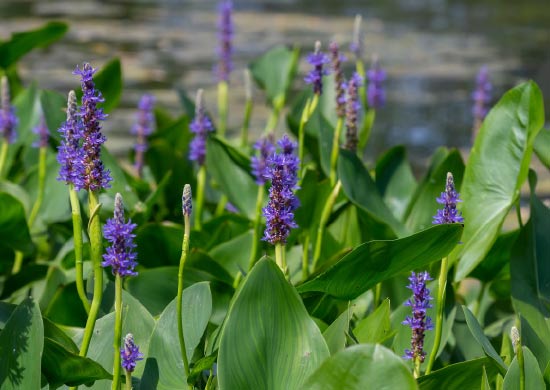
Pickerelweed (Pontederia cordata)
How to identify it: Broad green leaves with purple flower spikes.
Why it matters: Pickerelweed is typically a beneficial native plant that supports pollinators and wetland health.
Recommended action: Preserve when it is functioning as intended.
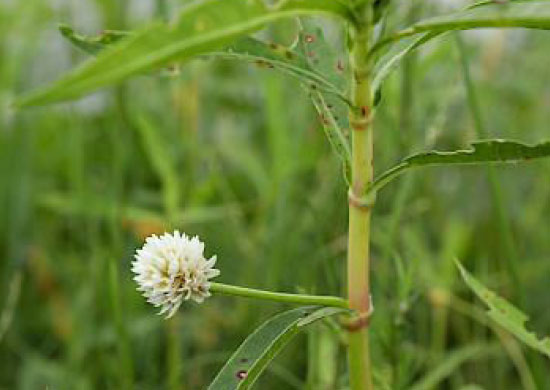
Alligator Weed (Alternanthera philoxeroides)
How to identify it: Dense mat-forming growth with creeping stems that spreads across shorelines and shallow water.
Why it matters: This invasive plant can block water flow, displace desirable species, and create maintenance issues quickly.
Recommended action: Immediate control is recommended.
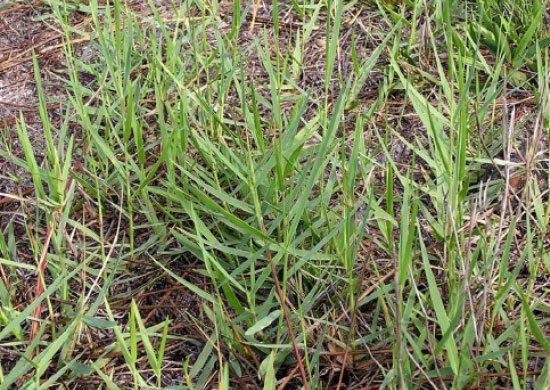
Torpedo Grass (Panicum repens)
How to identify it: Thick, spreading grass along the shoreline with aggressive rhizome growth.
Why it matters: Torpedo grass is one of the most troublesome invasive shoreline grasses in Florida and can quickly dominate banks and adjacent areas.
Recommended action: Targeted removal and treatment are usually necessary.
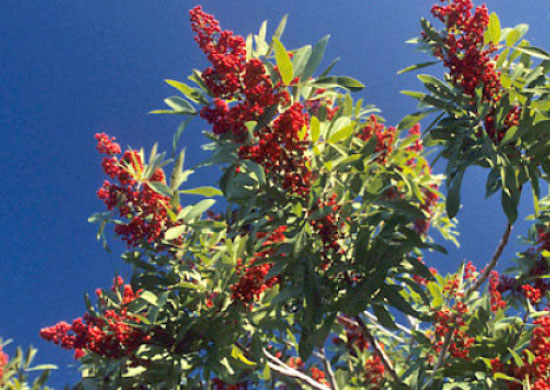
Brazilian Pepper (Schinus terebinthifolius)
How to identify it: A shrub or small tree with dense branching and clusters of red berries.
Why it matters: Brazilian pepper displaces native vegetation and spreads aggressively in disturbed areas.
Recommended action: Removal is recommended.
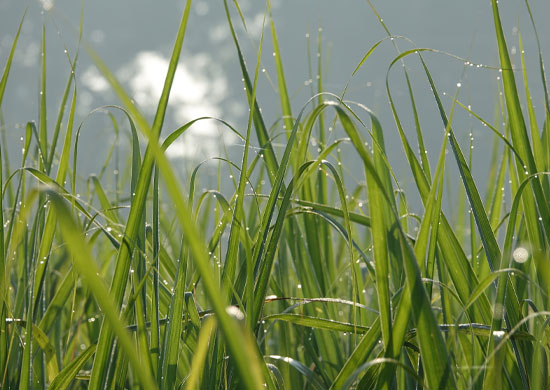
Sawgrass (Cladium jamaicense)
How to identify it: Tall native wetland grass with sharp-edged blades.
Why it matters: Sawgrass is an important part of many Florida wetland systems and supports ecological health.
Recommended action: Preserve where appropriate.
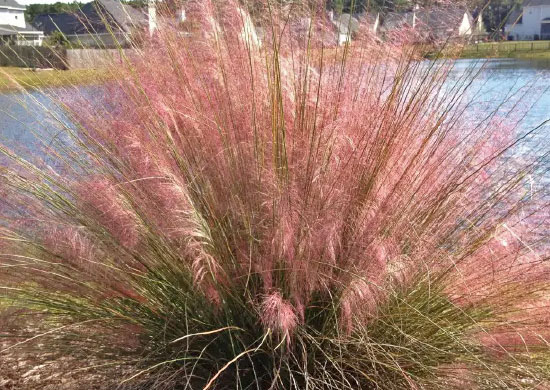
Muhly Grass (Muhlenbergia capillaris)
How to identify it: Clumping grass known for its airy pink or purple plumes.
Why it matters: Muhly grass is generally ornamental and low-risk when used intentionally.
Recommended action: Maintain as part of the landscape plan.
How Southeast Land & Water Management Can Help
With science-backed solutions and decades of field experience, our team helps clients move from reactive maintenance to long-term, sustainable management.
If you are unsure what is growing in your lake, pond, wetland edge, or preserve area, we can help.
Send us a photo or schedule a site review.